

WSAR Safety Alert
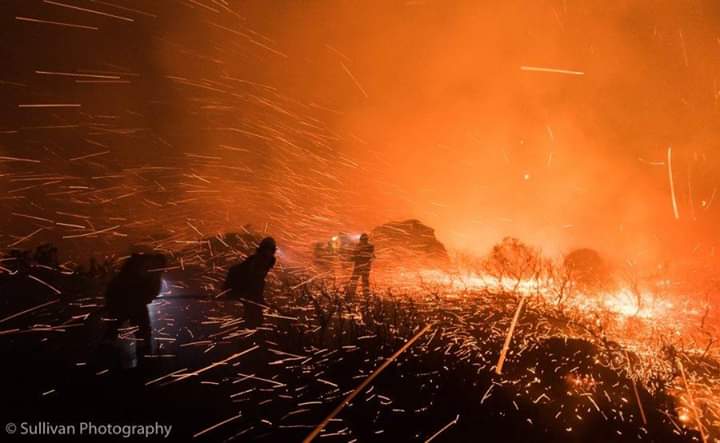
Summertime is wildfire season in the Western Cape, and with wildfires comes all sorts of hazards, safety risks and danger to the wilderness, property, human as well as wild and domestic animal life.
We urge the public to call the relevant authorities as soon as you learn of, or have any information regarding wildfires. Do not attempt to fight the fire on your own. There are dedicated and professional service providers and responders who are extensively trained and experienced to deal with these types of scenarios.
Here are some basic tips on how to react when you learn of a wildfire.
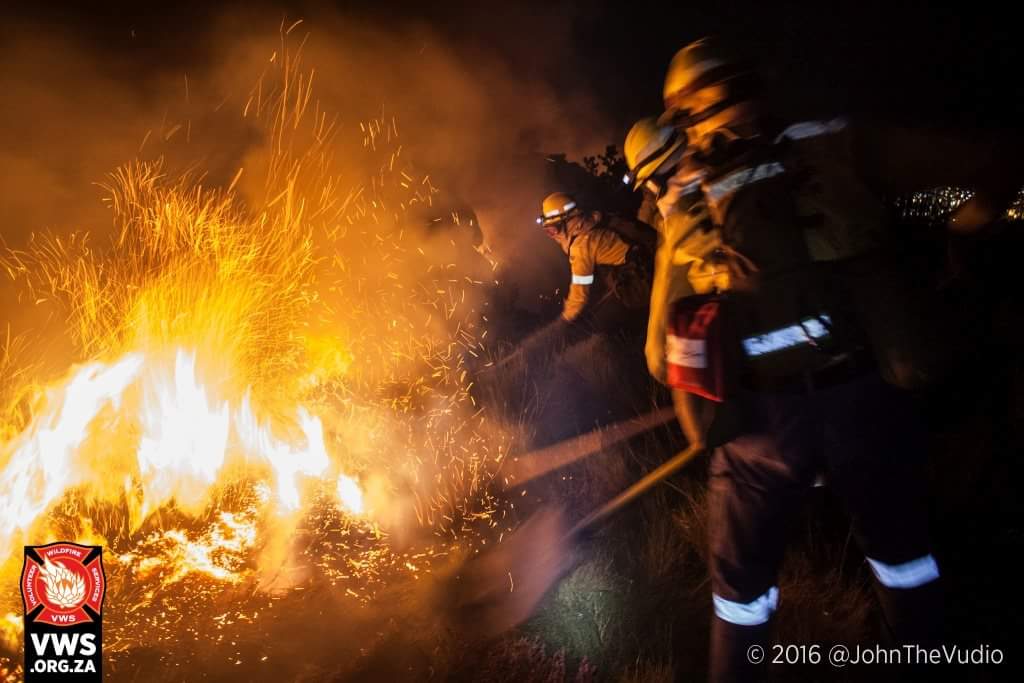
With permission-Volunteer Wildfire Services
From the urban area:-
When you spot smoke rising from the mountain:-
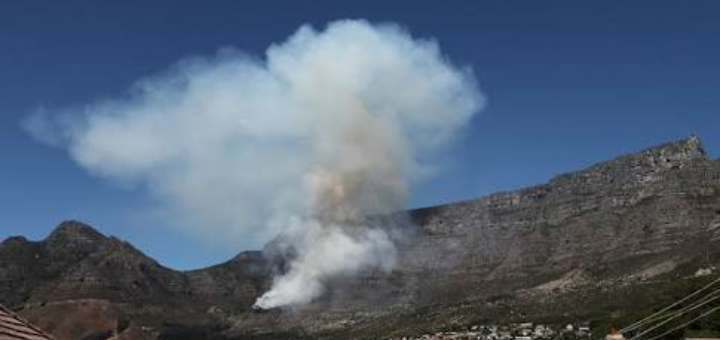
File photo
- Take a picture where it shows the general area of the incident.
- Call the dedicated emergency number.
- By forwarding your picture to the authorities they will have a better idea of where the wildfire is, and how to respond.
- The area may not be accessible, and a helicopter may have to be dispatched.
- The authorities will be able to gauge the extent of the fire and the wind conditions from your photo.
- This small intervention on your part will produce very valuable information that will help the authorities with their action plans, and possibly save property and lives as well.
While on the mountain:-
When you see or smell smoke during your outing on the mountain:-
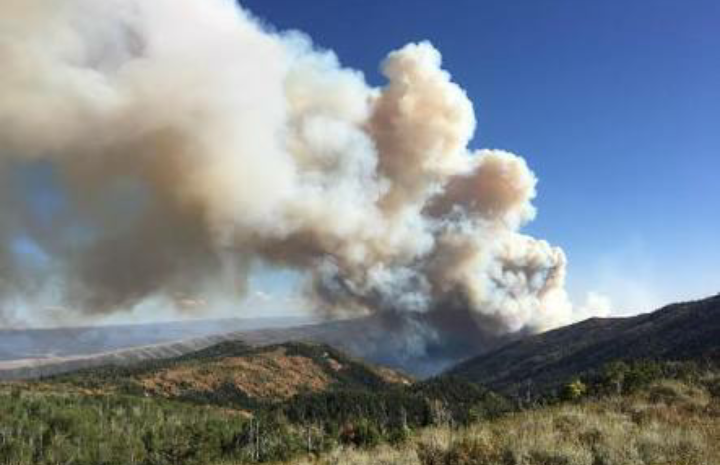
File photo
- Gather your hiking party.
- Alert any other visitors in your immediate area of the potential dangerous situation.
- Call the dedicated emergency number.
- Take a picture.
- Once you have called it in, the authorities will be in a position to advise you of what you should do.
- Should you find yourself close to the burning area, and especially if you are on the downwind side, please make your way off the mountain by abandoning your hike.
- Find a safe alternative route if need be.
- Depending on the conditions, a wildfire on slope areas could progress about ten times faster upslope, as opposed to a wildfire burning on level ground or downhill.
- As the wildfire spreads, so will the smoke.
- Smoke will reduce the levels of light and affect the general visibility of the area.
- Eye irritations due to the smoke will cause discomfort and tearing which will further impede your vision. The way the body works, your sense of balance could be affected as well.
- The effects of smoke inhalation is something to be concerned about too. Use a buff to cover your mouth and nose. Cut an item of clothing to use, if need be. Assist the rest of your party in this regard as well.
- Breathing will be impaired and with this comes the possibility of medical and respiratory complications.
- The ambient heat may also increase.
- Insects and wildlife will be on the move. Please keep a lookout for snakes.
- You will have to maintain a level head and monitor all the members of your party for any issues, including panic attacks.
If you happen to be on a multi day trail:
- Determine the wind direction and make/change your plans accordingly
- Factor in the information mentioned above.
- Should you need to cut your trail short, study your map as a jeep track which does not form part of the trail may be your quickest avenue off the mountain and to safety.
- A fire requires fuel in order to progress. Should your party be caught in a wilderness area, remember, that previously burnt out areas, rivers, and areas which consist of mostly rocky terrain with very little vegetation, may be a safer temporary option for your party to retreat to. Please be aware, that a sudden change in wind direction could later affect the status of such areas.
Your primary roles are:
- the safety of your party
- to report the wildfire to the authorities
- to make your way off the mountain as safely as you can.
To report wildfires:
City of Cape Town: 107 (from a landline) or 021 480 7700
Overberg: 028 425 1690
West Coast: 022 433 8700
Eden (Southern Cape/Garden route): 044 805 5071
Central Karoo: 023 414 8176
Cape Winelands: 021 887 4446

Please call 021 937 0300 or 112 for any mountain or wilderness rescue emergencies.